Converting Your Basement into an ADU: What You Need to Know
Navigating the zoning and code requirements is the most critical part of an ADU project.
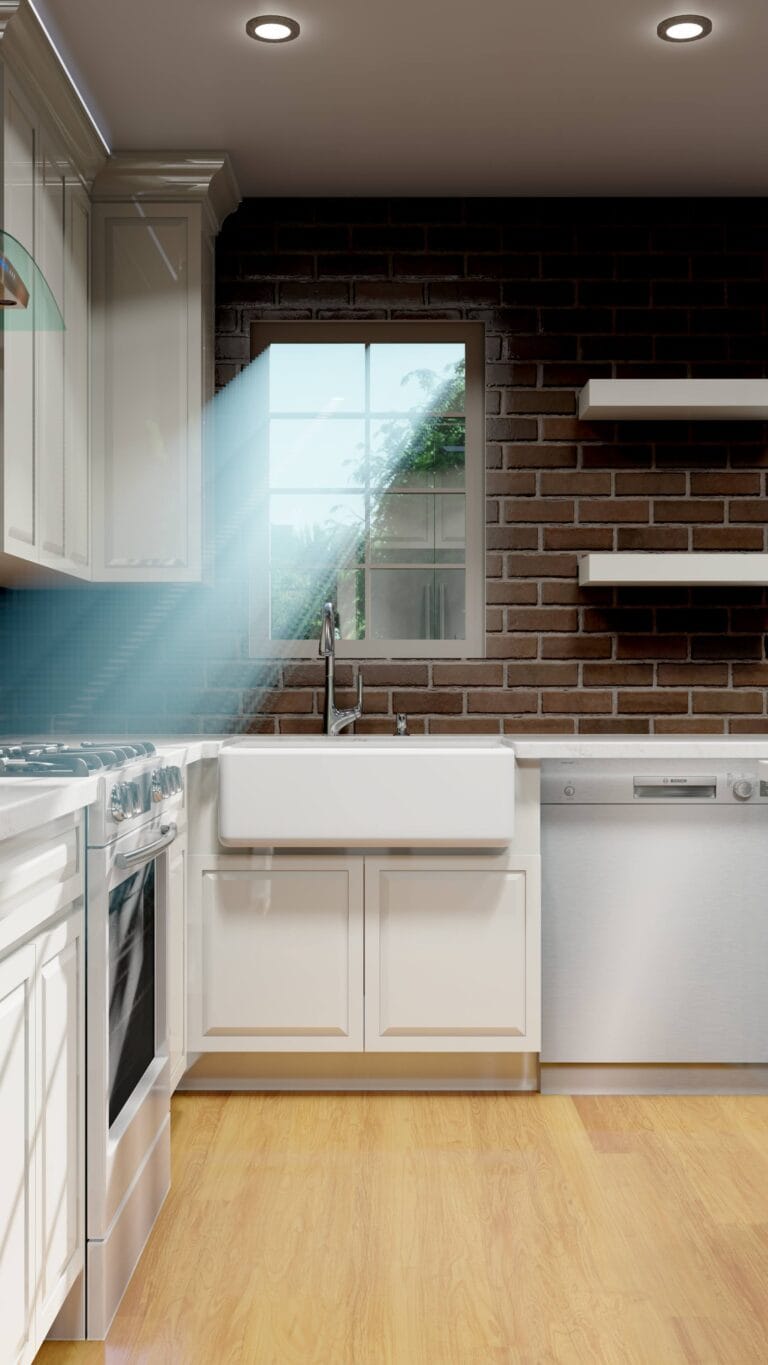
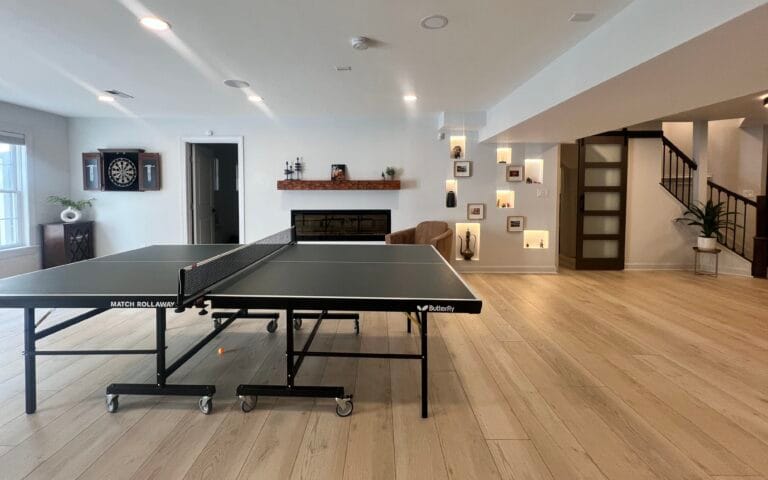
Our team specializes in creating inviting spaces by creating open layouts, maximizing natural light and flow for a seamless, contemporary living experience.
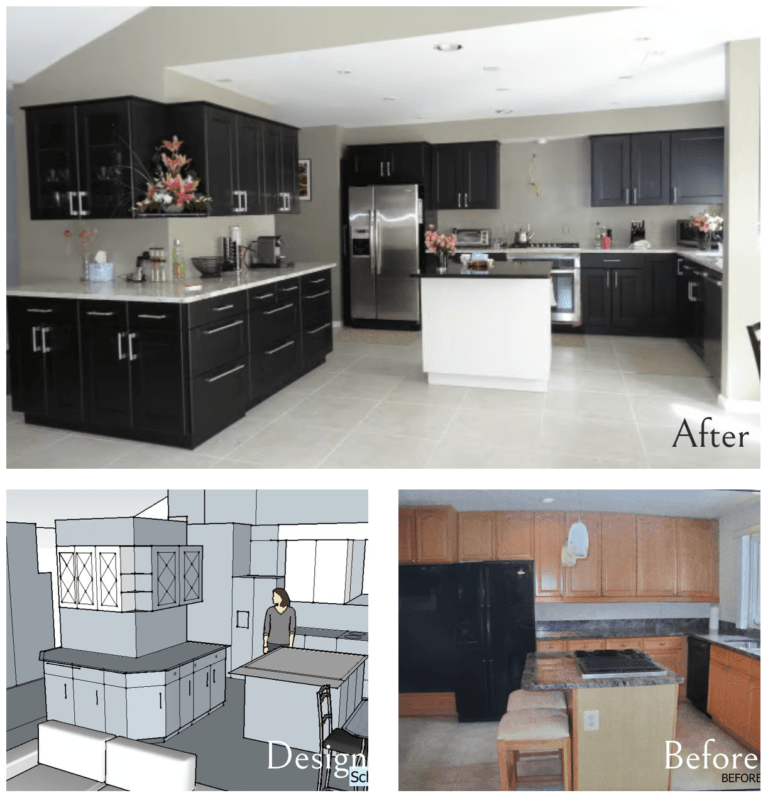
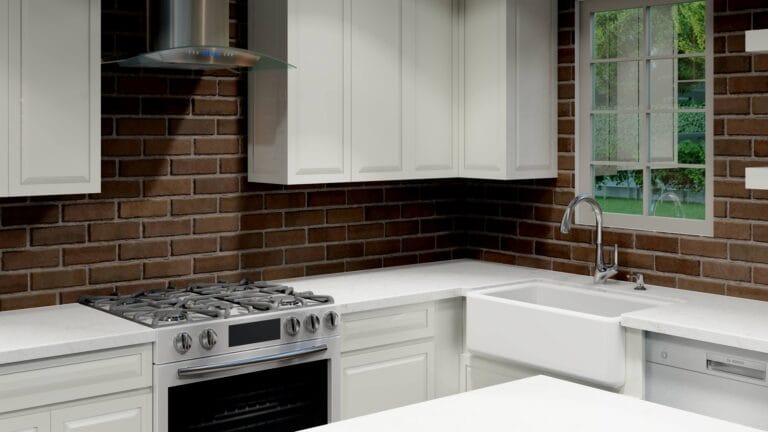
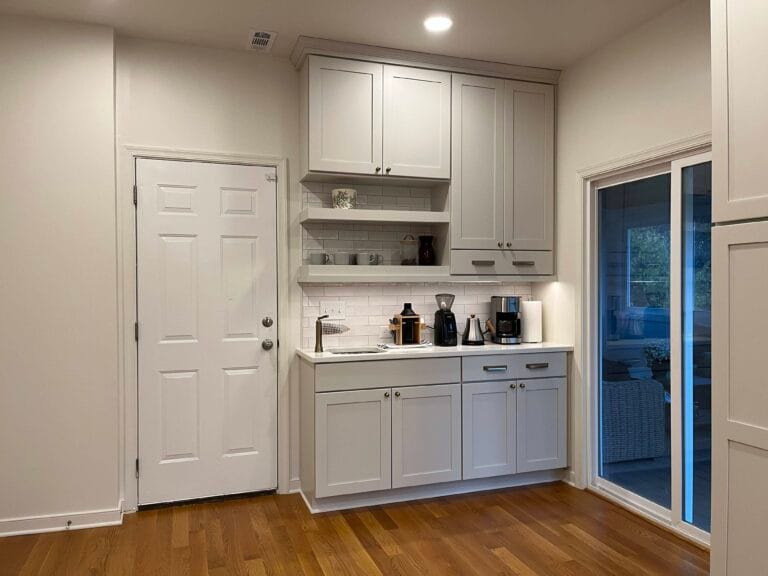
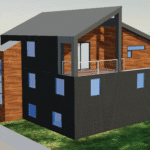
Living room and kitchen projects are crucial to get right. That is why educating our client and using 3D visualizations and sketches help our customers feel confident in their decisions.
The main floor of your home is where life happens, but in many DMV homes—from classic colonial layouts in Fairfax to historic rowhouses in DC—these spaces are often compartmentalized, dark, or have poor flow. An interior remodel is an opportunity to break down those barriers and create a cohesive environment that reflects how modern families actually live.
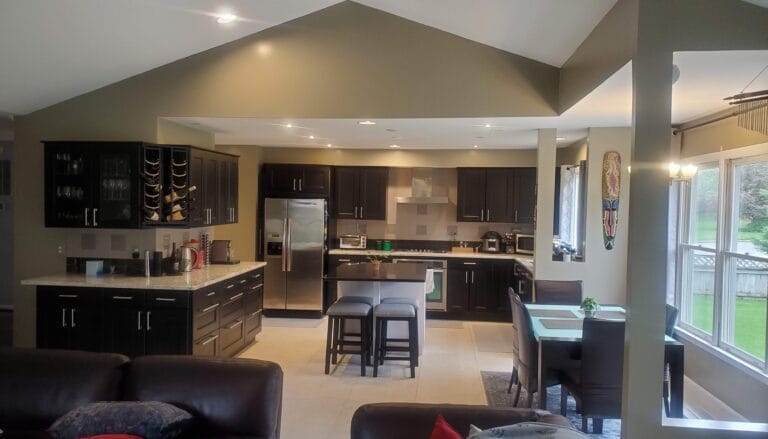
At our firm, we specialize in the “Open Concept” transformation. We don’t just pick out finishes; we re-engineer your interior volume to maximize light, improve circulation, and create a logical flow between the kitchen, dining, and living areas.


A successful open-concept floor plan is a structural challenge disguised as a design project. We provide the following services as part of our design process:
As-Built Documentation: We perform as-is field measurements of your existing interior partitions, ceiling heights, and utility “chases” (plumbing/HVAC) to identify what can be moved or removed.
Structural Load-Bearing Analysis: If you want to remove a wall, we coordinate with structural engineers to design recessed steel or LVL beams that maintain your home’s integrity while creating that open space.
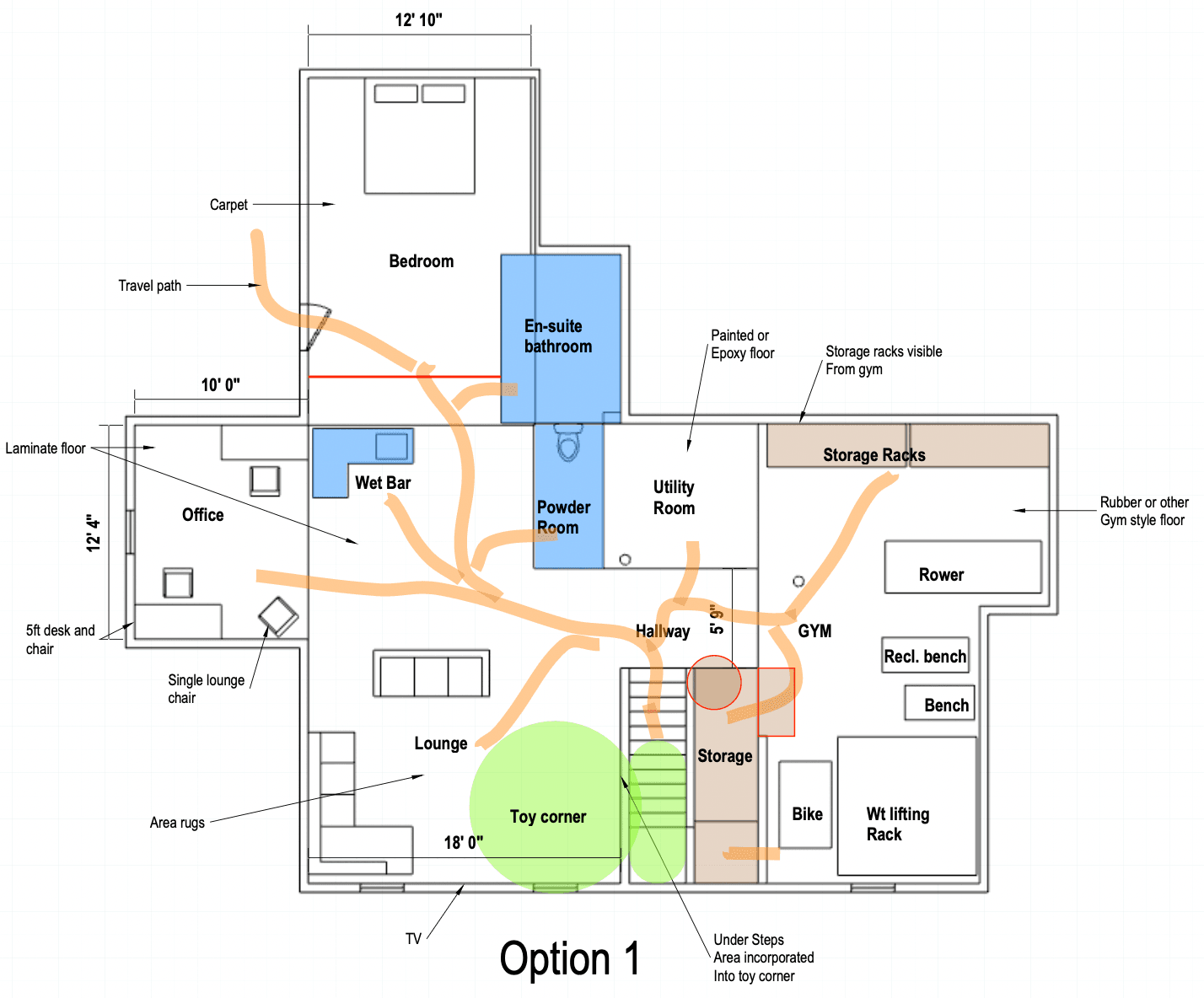
Circulation & Usability: Our focus on “human” psychology helps us design these open floor plans with a keen eye towards flow, light and noise along with beauty and aesthtetics.
Permitting & Construction Documents: We manage the submission process with local agencies, providing the technical permit sets required for jurisdictional approval and accurate contractor bidding.
Our portfolio highlights how we use technical design to solve the common “flow” problems found in regional architecture. Examples of transformations we have delivered include:
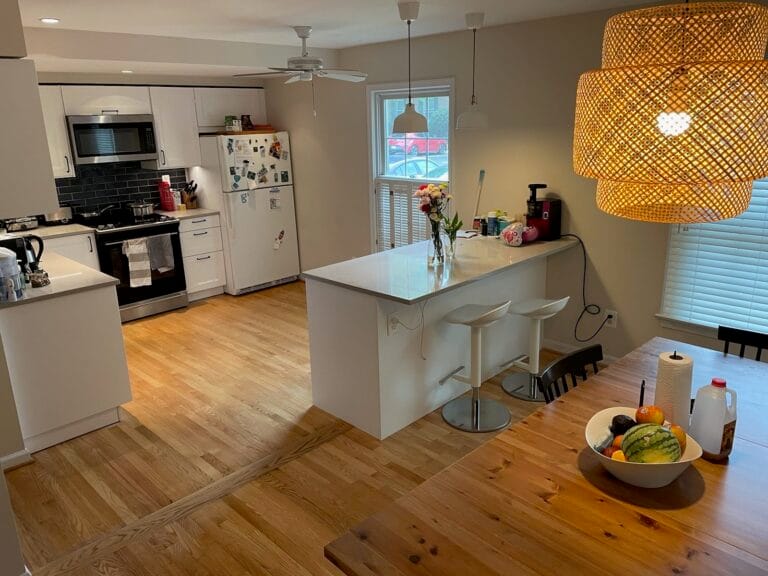
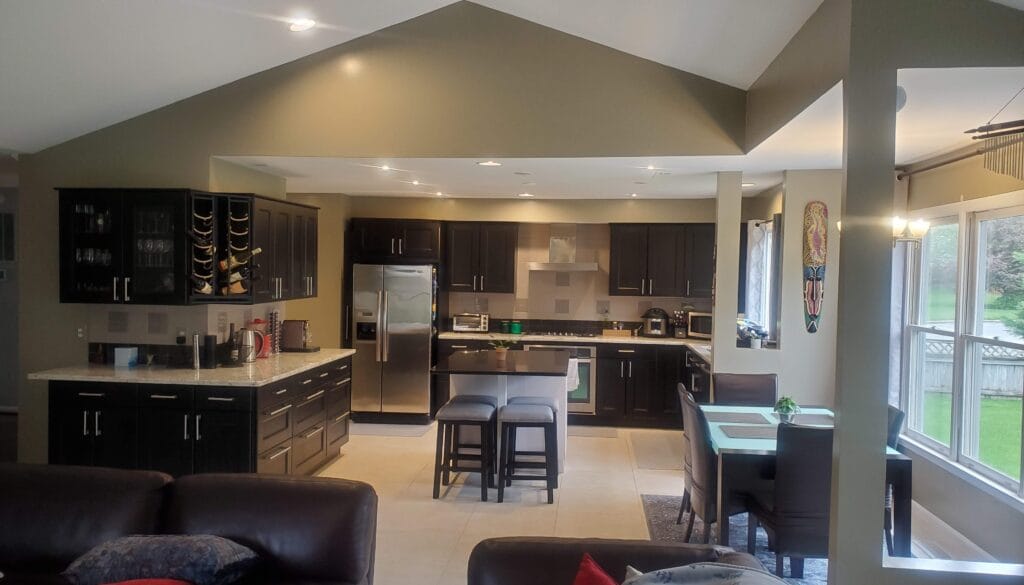
The Seamless Open Concept: We’ve removed load-bearing walls between cramped kitchens and formal dining rooms to create massive, light-filled “Great Rooms” that serve as the home’s hub.
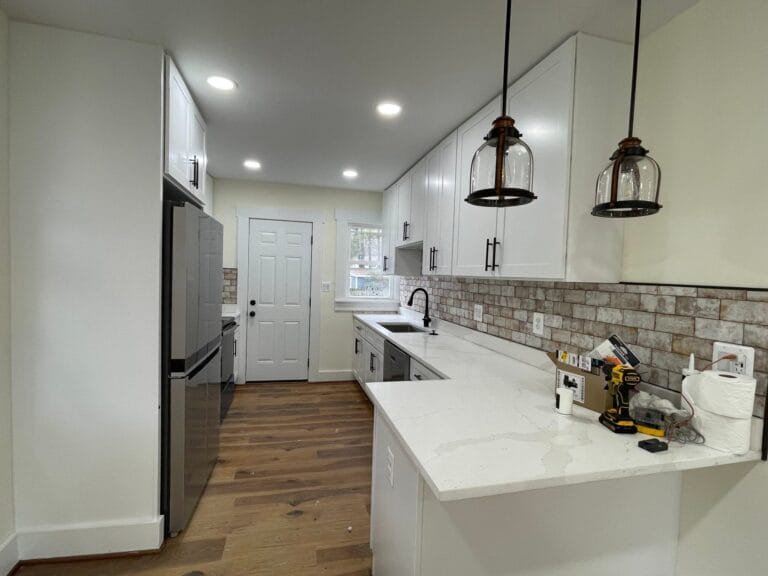
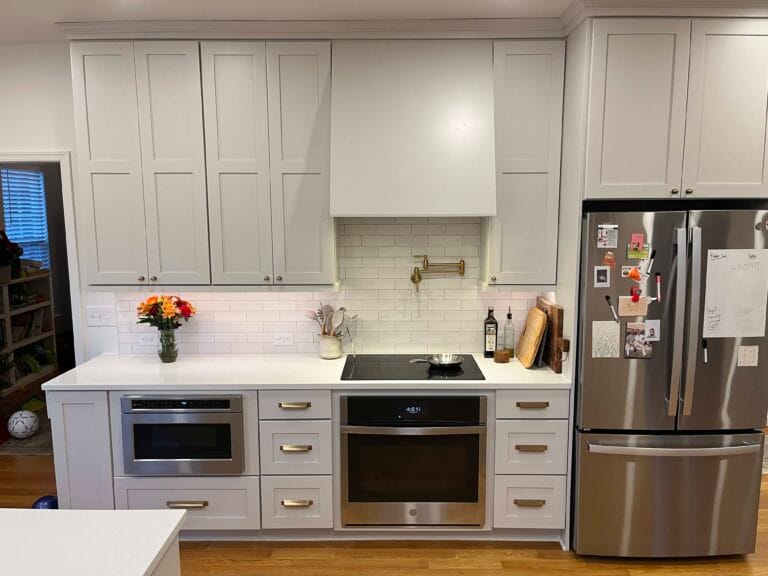
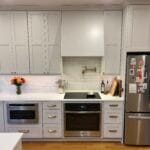
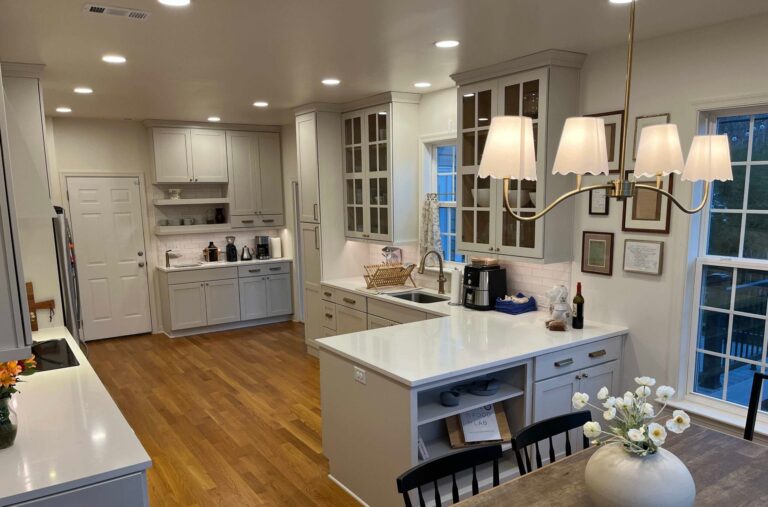
Strategic Kitchen Reconfigurations: We’ve relocated kitchen footprints to better align with backyard views, integrating professional-grade appliances and oversized islands that function as both prep space and casual dining.
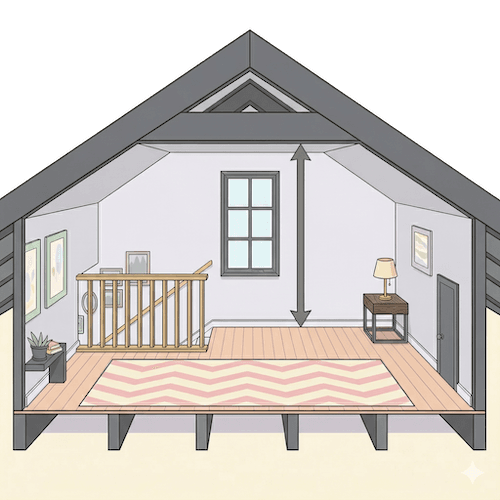
Modern Rowhouse Flow: In Baltimore row-homes, we combined two levels to create a loft-apartment with a great room and to bring natural light from the front of the house all the way to the back.


Because removing walls and moving utilities can uncover unforeseen site conditions, we prioritize educating you on the “why” behind structural and mechanical decisions. Our “helper-first” process ensures your design is not only beautiful but also structurally safe and code-compliant. This consultative approach is a frequent highlight in our reviews, where clients praise our ability to simplify complex structural hurdles and provide clear, responsive guidance throughout the design phases.
Don’t let a “closed-off” floor plan limit your lifestyle. Let’s discuss how to re-engineer your interior for better light, flow, and functionality.

Navigating the zoning and code requirements is the most critical part of an ADU project.

Like anything in construction, square footage plays a big part in the cost equation, but don’t under estimate the cost of complexity and finishes desired.

While it’s tempting to look for a flat “per page” price, design fees for a remodel are based on size, complexity and unique characteristics of your project.

You might be surprised how often homeowners realize too late that the “sun” part of the “sun-room” isn’t guaranteed by the windows alone, but you have to pay attention the path of sun’s travel in the sky, trees near the house and other elements.

The feasibility of your conversion depends on your desired level of use of this new room and typically requires a fresh start from footing onwards.

When you think about remodeling, the conversation usually centers on floor plans, square footage, and budget. These are of course very important but only half the picture. The other half lies in its emotional impact—how a space makes us feel. This is in the realm of brain as it engages with the built environment.