Thinking of adding an extension to your home? Start with these pointers
Start with a clear-eyed look at your goals, understand your land’s limits, budget limits and then find the right team of designer and contractor.
When it comes to home additions and extension projects, our design team excels in crafting functional and beautiful spaces that integrate with your existing home, maximizing your property’s value and comfort. And we educate you along the way.
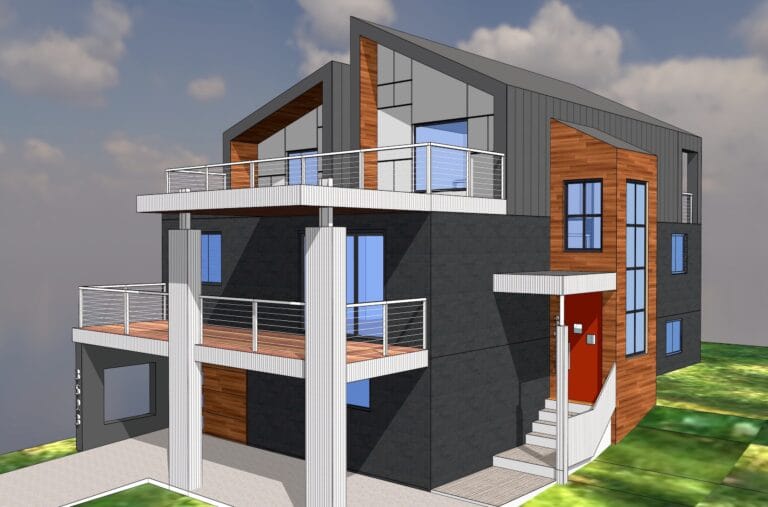
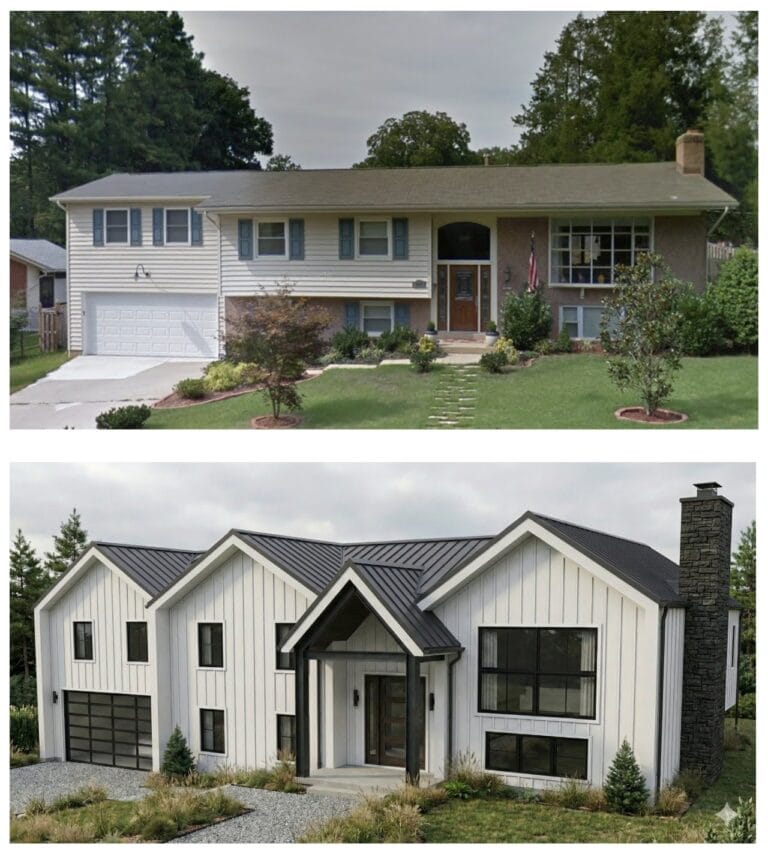
When your family no longer fits within your 4 walls, a strategic addition is a natural choice, but it is important to blend the addition with the existing house, both outside and inside. Like most counties, where lot sizes are restricted and zoning is tight, expanding your home requires more than just extra lumber—it requires a clear design and technical vision. We specialize in helping homeowners navigate the transition from “not enough space” to a perfectly tailored environment that harmonizes with your existing space while meeting the structural demands of an addition.
Our clients often share their experiences on Google and social media, highlighting our ability to navigate technical challenges and local permit hurdles to meet their remodeling needs.


A successful addition requires a comprehensive strategy before construction begins. We provide the following services to address the complexities:
As-Built Documentation: We perform as-is field measurements of your existing home’s footprint, rooflines, and utilities to ensure a seamless integration of the new volume.
Zoning & Feasibility Analysis: We evaluate setbacks, lot coverage, and Floor Area Ratio (FAR) to ensure your design meets jurisdictional requirements before drawing begins.
Structural Integration: When modifications are needed to connect new and existing structure, we coordinate with structural engineers for precise beam, foundation, and load-bearing design.
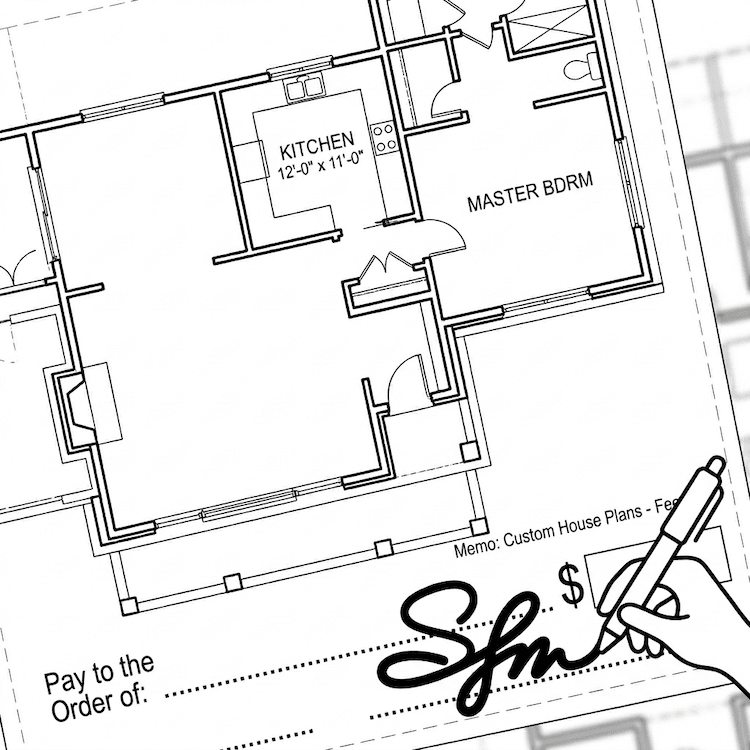
Permitting & Construction Documents: We handle the submission process with local agencies, delivering the technical permit sets required to secure your permit.
Our portfolio is built on expansion strategies tailored to the unique constraints of local lots. Examples of transformations we have delivered in our DMV area include:
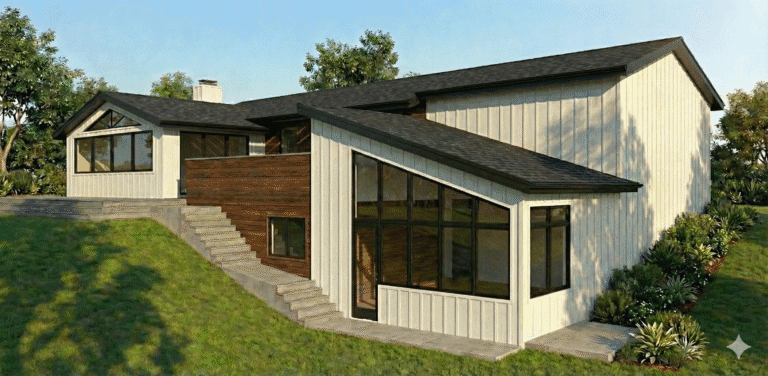
Bump-Outs: We have extended rear footprints to create expansive kitchens, bedrooms, sunrooms, living spaces.
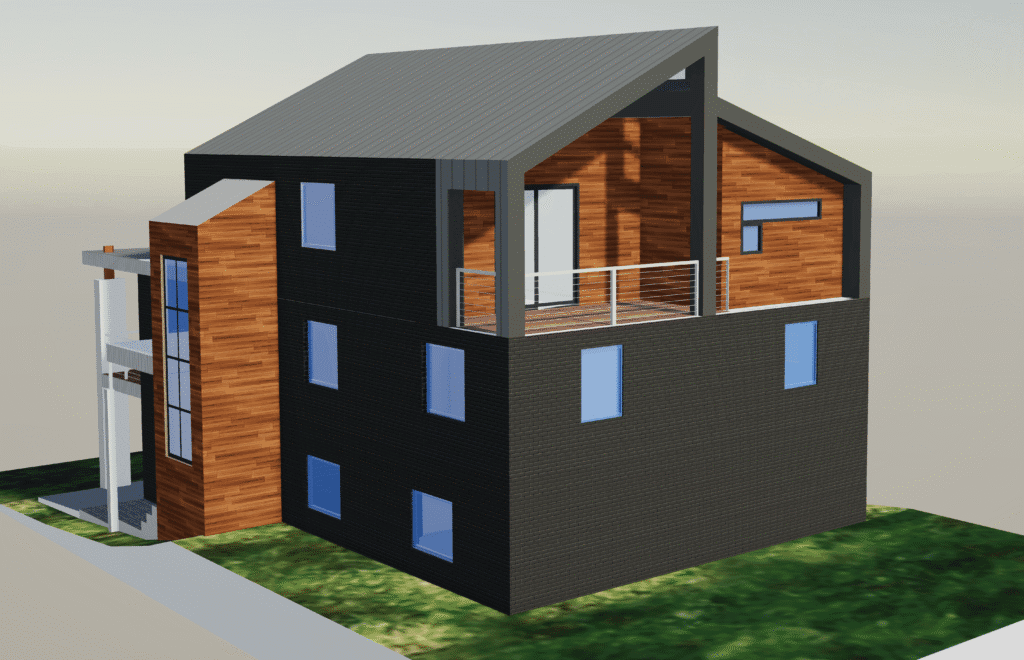
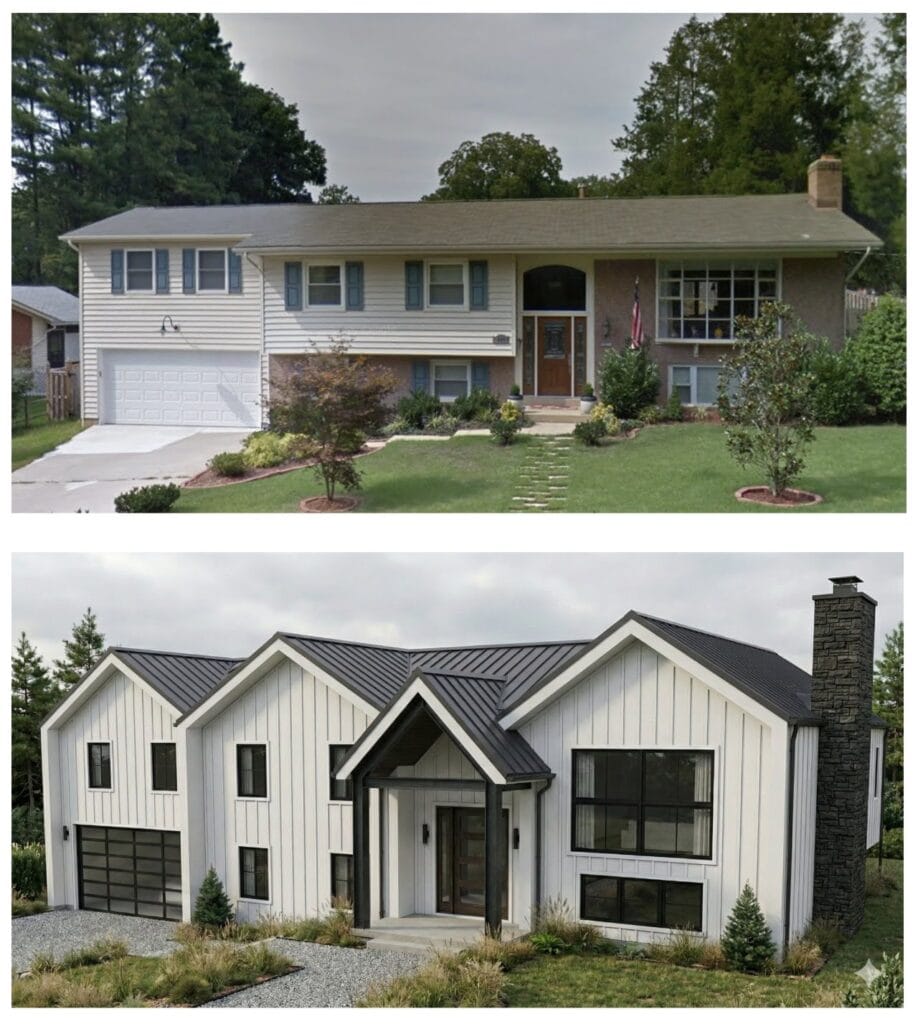
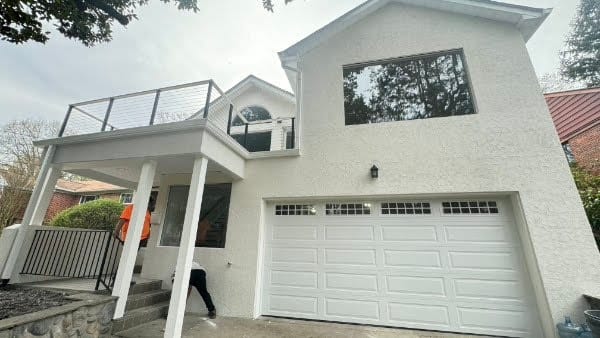
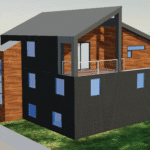
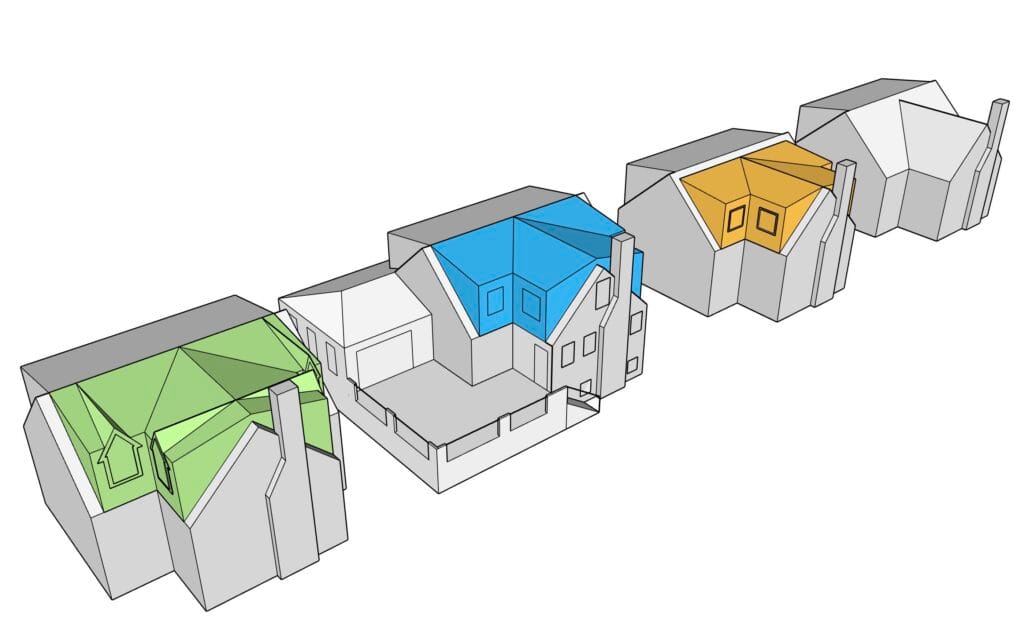
Second-Story “Pop-Tops”: For homes with limited yard space, we’ve effectively doubled livable area by adding full second floors to existing rambler and split-level homes.
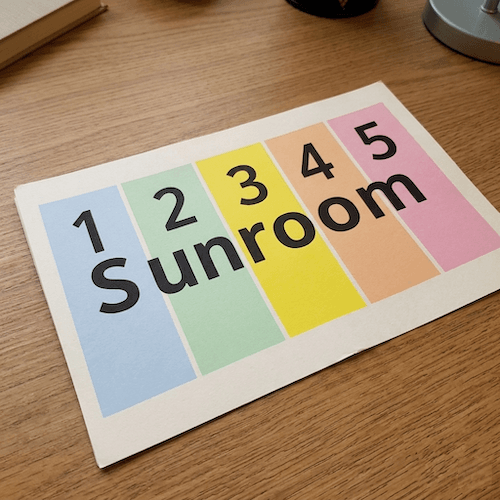
Conditioned Sunrooms: Our high-performance, four-season additions utilize energy saving strategies to ensure year-round comfort. (Did you know there are 5 types of sunrooms?)
ADU: Attached or detached, we have helped our clients extract value from their basements, garage and open lots. Learn how to convert a basement into an ADUs.
Related ideas to explore – Convert a deck/porch into a bedroom, or Convert an attic


We act as your navigator through the “black box” of design. Our process is built on transparency, guiding you through Schematic Design (SD), Design Development (DD), and the creation of a technical Construction Document (CD) permit set. We pride ourselves on a “helper-first” mentality—educating you on code requirements and coordinating with consultants so you are never left guessing. This consultative approach is a consistent theme in our Google reviews, where clients praise our responsiveness and our ability to simplify the complex permitting hurdles inherent to the DMV.
Don’t let zoning or structural questions stall your vision. Let’s evaluate your lot’s potential and start the design process.
Below are select articles related to this topic. Browse these or explore more articles in our Learning Center.

Start with a clear-eyed look at your goals, understand your land’s limits, budget limits and then find the right team of designer and contractor.

While most people say “sunroom,” the building code actually breaks them into five technical categories, which impact how its built and even taxed.

Like anything in construction, square footage plays a big part in the cost equation, but don’t under estimate the cost of complexity and finishes desired.

The feasibility of your conversion depends on your desired level of use of this new room and typically requires a fresh start from footing onwards.

You might be surprised how often homeowners realize too late that the “sun” part of the “sun-room” isn’t guaranteed by the windows alone, but you have to pay attention the path of sun’s travel in the sky, trees near the house and other elements.

ADU/ALU are independent living units within an existing house, and are an affordable way to add space since they use existing land or part of building.